Frequently Asked Questions
-
Straw is not the same as hay! Hay still includes the seed head; straw is simply the fibrous stalk of a plant. The nutrient dense seeds are what attract mice. Without the seeds, a tightly packed and air-sealed straw bale wall does not give mice much incentive or ability to enter, munch, or build a nest, making prefab straw panels no more susceptible to vermin than other wall assemblies.
-
Yes, in the 2015 IRC (International Residential Code) an appendix was added for straw bale construction. The appendix has been updated in subsequent code cycles and outlines how to build safely with straw.
-
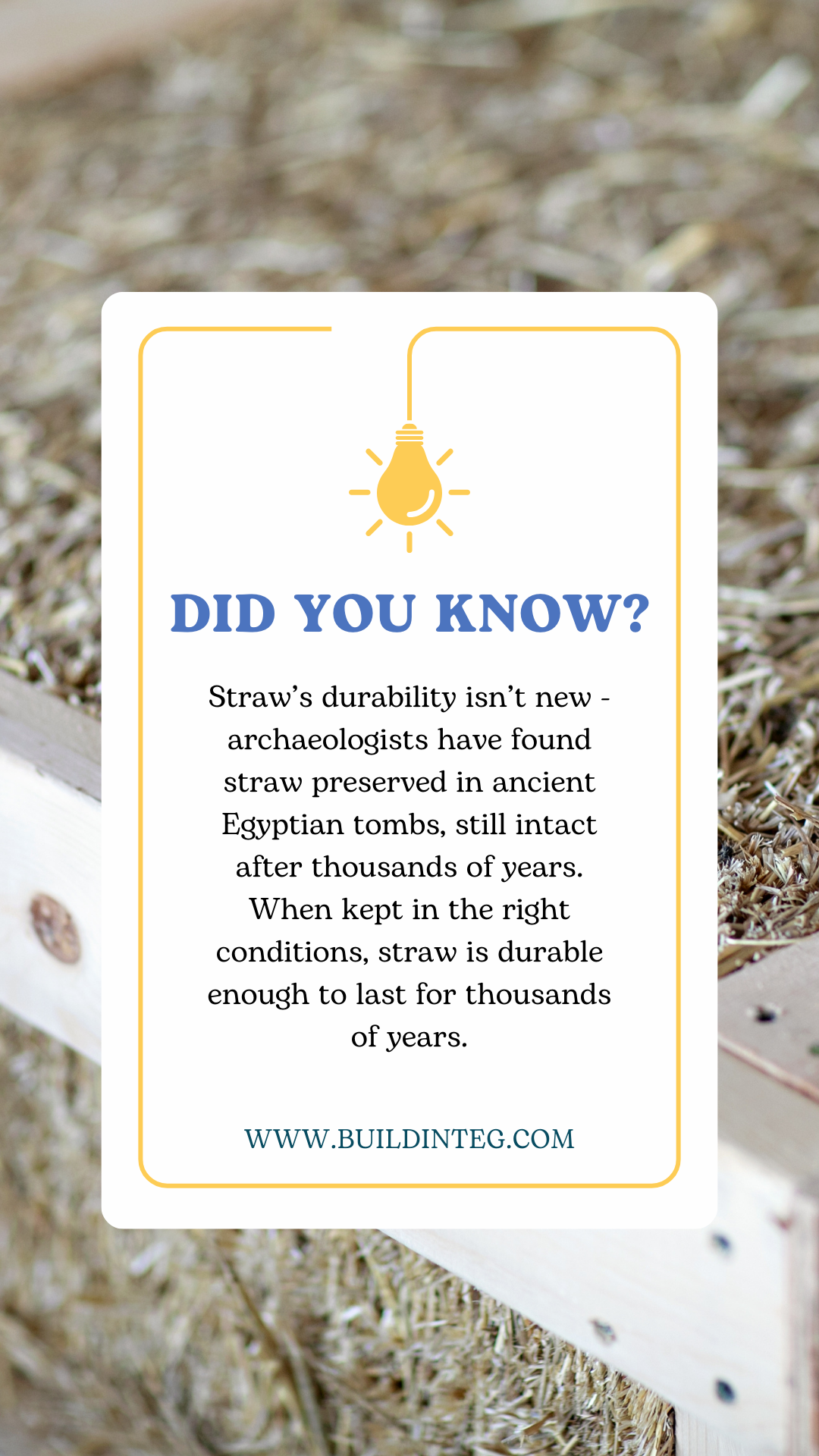
If straw is baled dry and kept below 20% moisture by weight, it will not mold or rot — in fact, dry straw has been preserved for centuries, even found intact in Egyptian tombs. Prefabricated straw panels are installed quickly and protected with a water-resistive barrier, minimizing exposure to rain during construction. Of course, no building material is totally rot-proof — good design and detailing are key for every structure.
-
Straw panels create a thick, high-performance envelope delivering R-38 insulation and a naturally breathable wall system. Homes stay cooler in summer, warmer in winter, and quieter year-round.
-
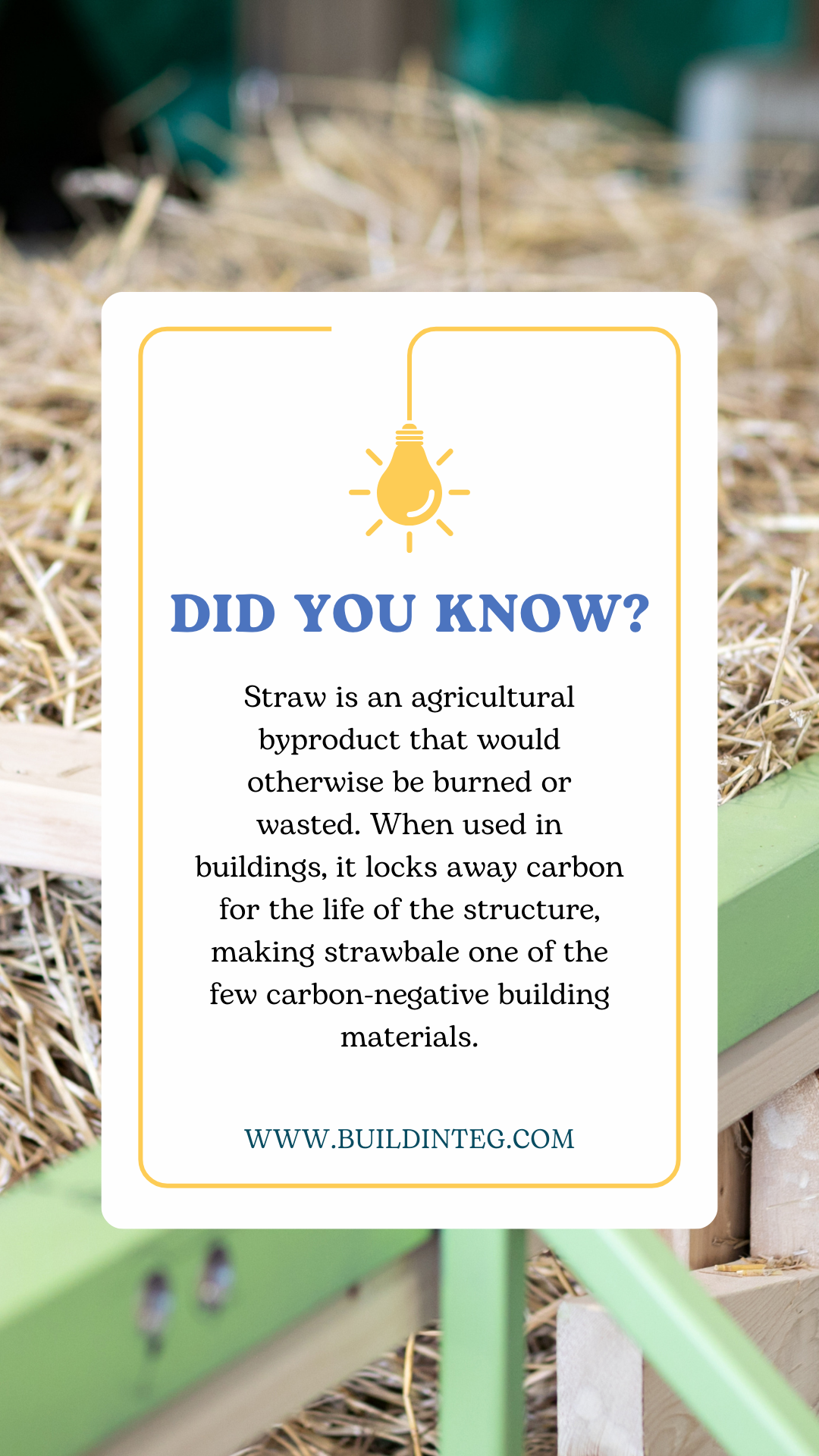
Yes, straw naturally captures carbon as it grows and every panel locks that carbon away inside your walls. A typical straw home can store 10–15 tons of CO₂. By choosing locally sourced straw over high-energy materials, you transform a simple farm byproduct into a high-performance, sustainable building solution.
-
Prefabricated Straw panels ensure consistent density, structural integrity, and airtightness. Every wall is tested and quality-controlled before delivery. Onsite, panels install in days instead of weeks, minimizing labor, material waste, and weather risk.
-
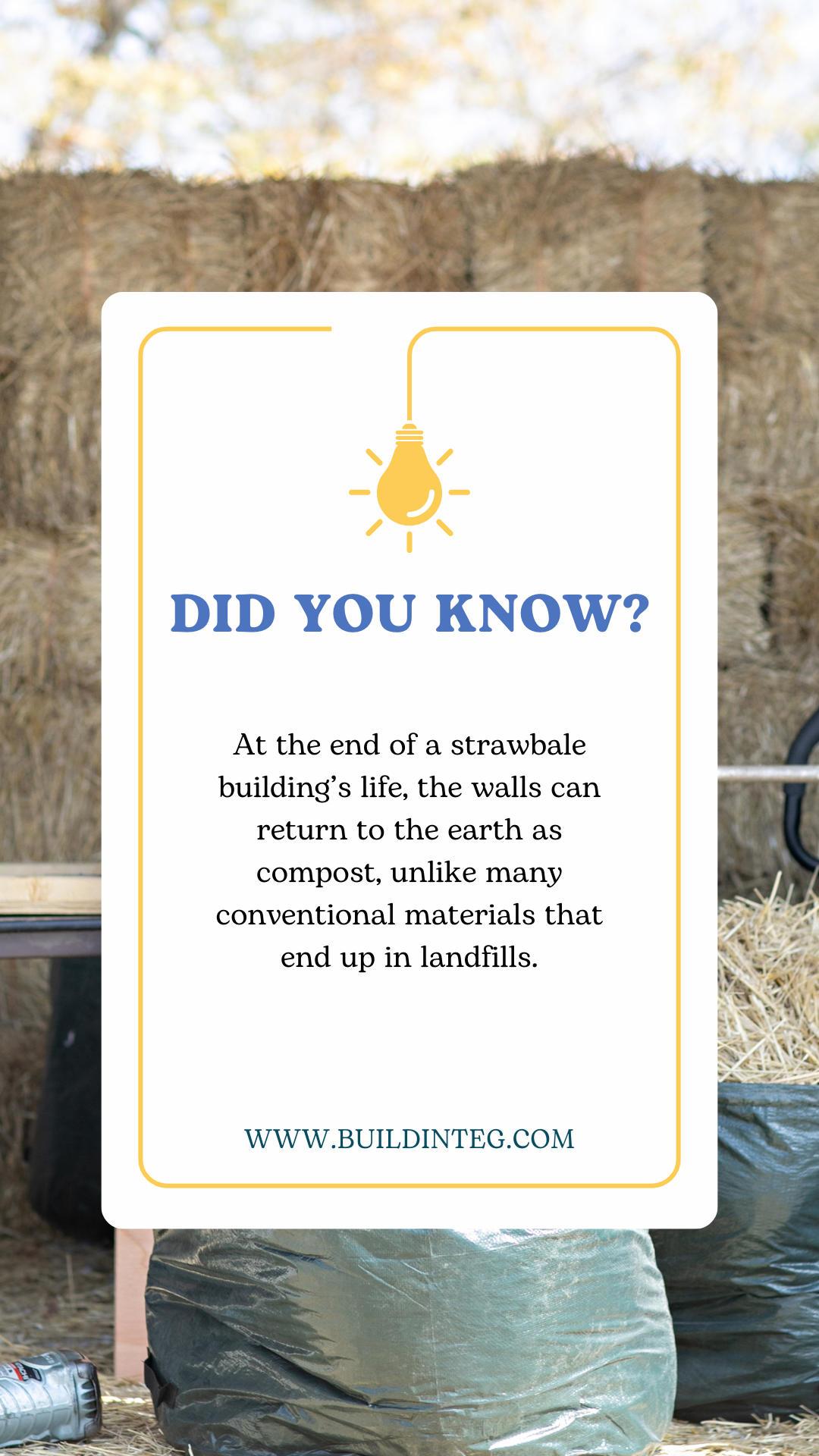
Straw is as natural as it gets, you could actually eat it if you wanted to! It’s completely non-toxic and free from VOCs or harmful off-gassing. Unlike conventional insulation, straw panels don’t create hazardous waste during construction or demolition. They’re safe for you, the construction team, and the planet.
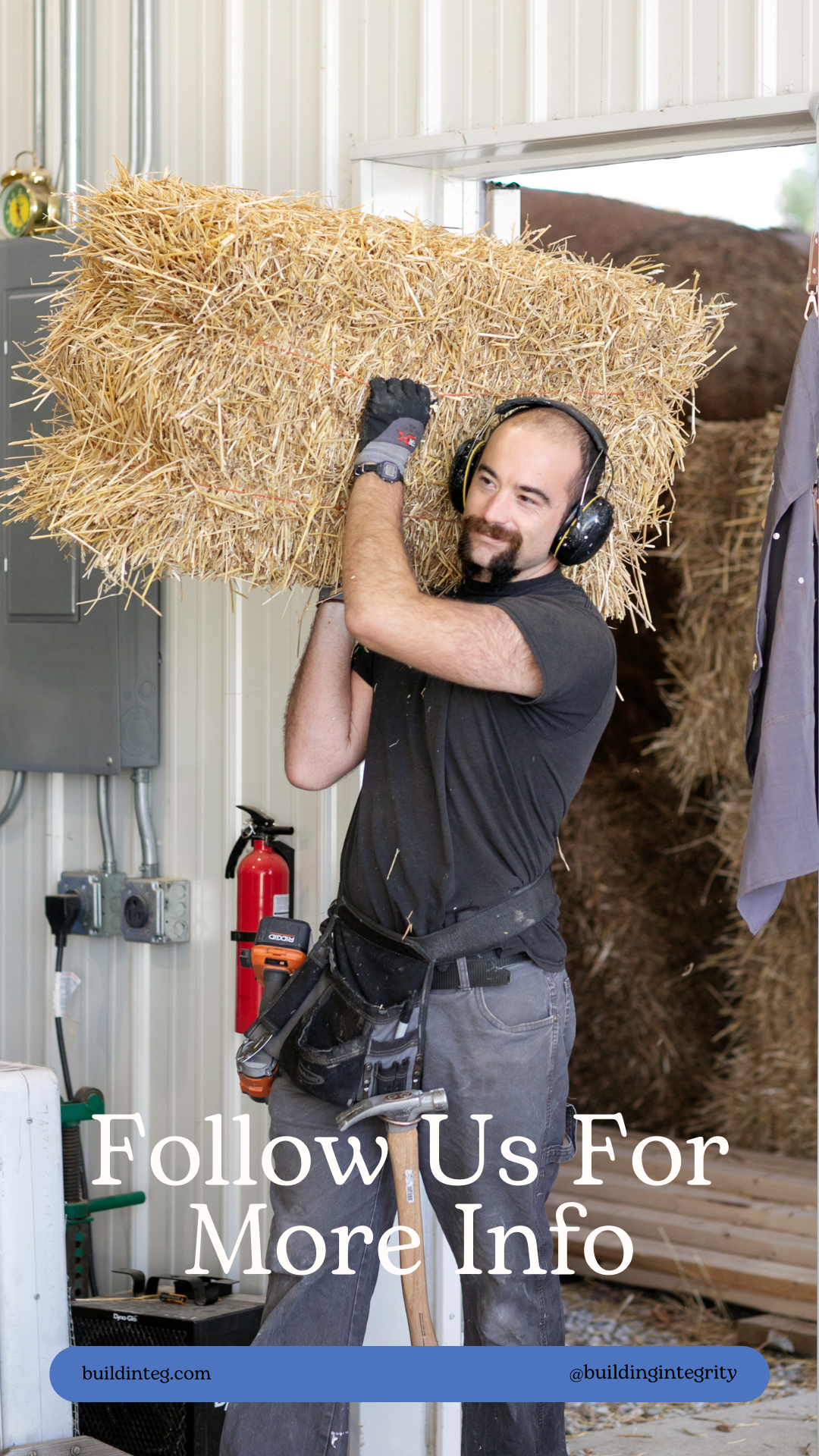
Find more educational information on our social media!