
From Missouri Fields to Your Walls: How Local Organic Straw Builds Healthier Homes
By Abby Hillman
When building a home, most people think about floor plans, finishes, and energy efficiency. But the materials inside your walls can have just as much impact on your daily life. At Building Integrity we use organic, locally grown Missouri straw to create healthy, high-performance wall panels that support better indoor air quality while reducing reliance on conventional building materials.
Why Organic Straw Is a Healthy Building Material
Contains no formaldehyde, VOCs, or synthetic flame retardants
Supports healthier indoor air quality
Made from renewable, locally sourced Missouri straw
Helps manage moisture naturally through vapor-permeable wall systems
Reduces transportation impacts and supports local agriculture
Provides a natural alternative to conventional insulation materials
Why Healthy Building Materials Matter
We spend the majority of our lives indoors. That includes sleeping, cooking, working, raising kids, and just about everything else that matters. Given that reality, the materials our homes are built from must be chosen with the same care we give to anything else that affects our health.
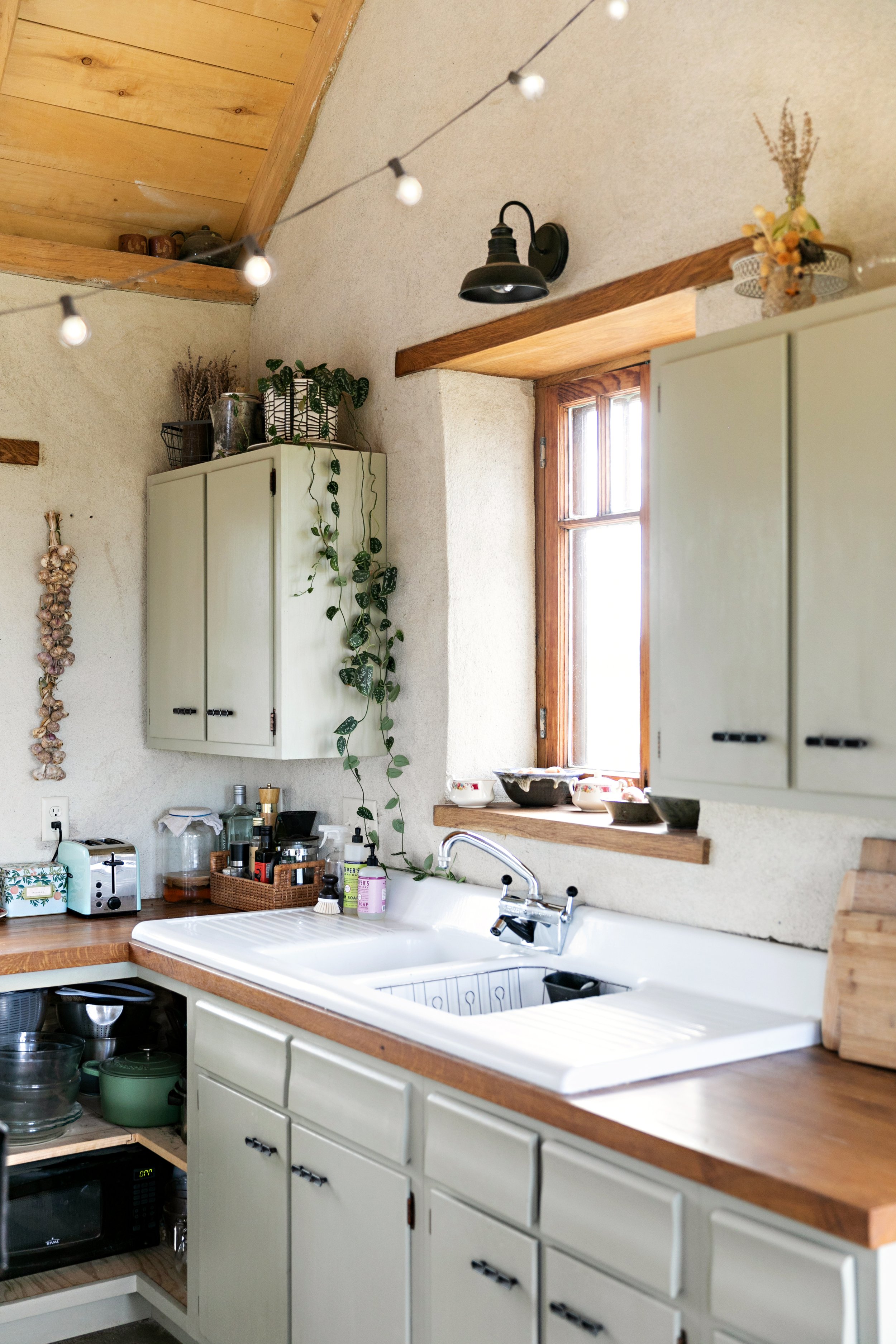
The Hidden Chemicals in Conventional Building Materials
Most conventionally built houses contain building materials that continuously release chemical compounds into the air. These include volatile organic compounds, or VOCs, and formaldehyde. These chemicals can be found in pressed wood products, foam insulation, adhesives, synthetic flooring, and paints.
At Building Integrity, we currently manufacture our panels with organic, locally grown Missouri straw. This is an excellent clean, non toxic alternative to conventional insulation.
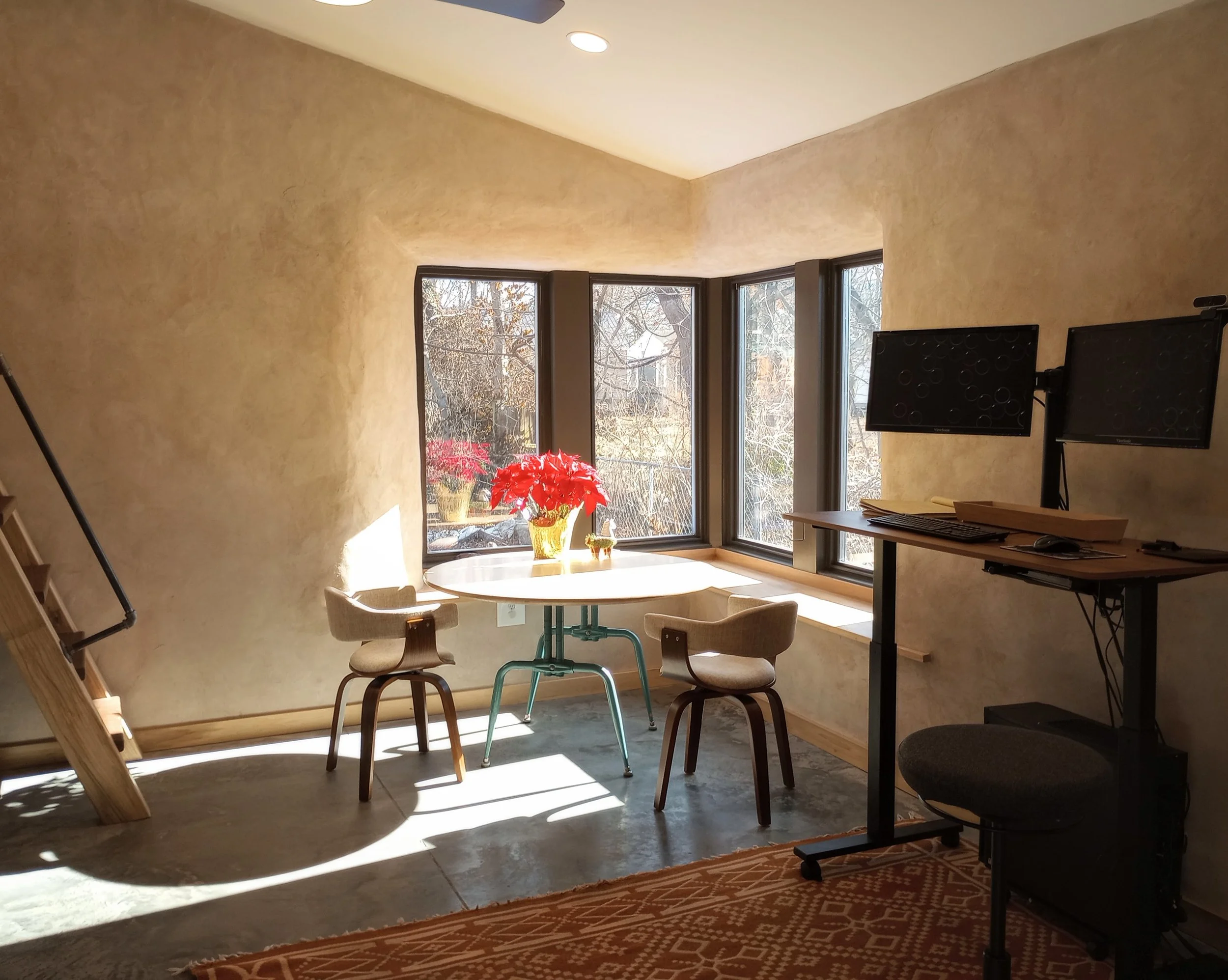
Organic Straw Insulation and Indoor Air Quality
Organic straw, free of synthetic fertilizers and pesticides, contains no formaldehyde, no VOCs, no chemical binders, and no synthetic flame retardants. There is nothing in it that off-gasses into your living space. The wall systems we build with it are vapor-permeable, managing moisture without trapping humidity which could create conditions for mold growth.
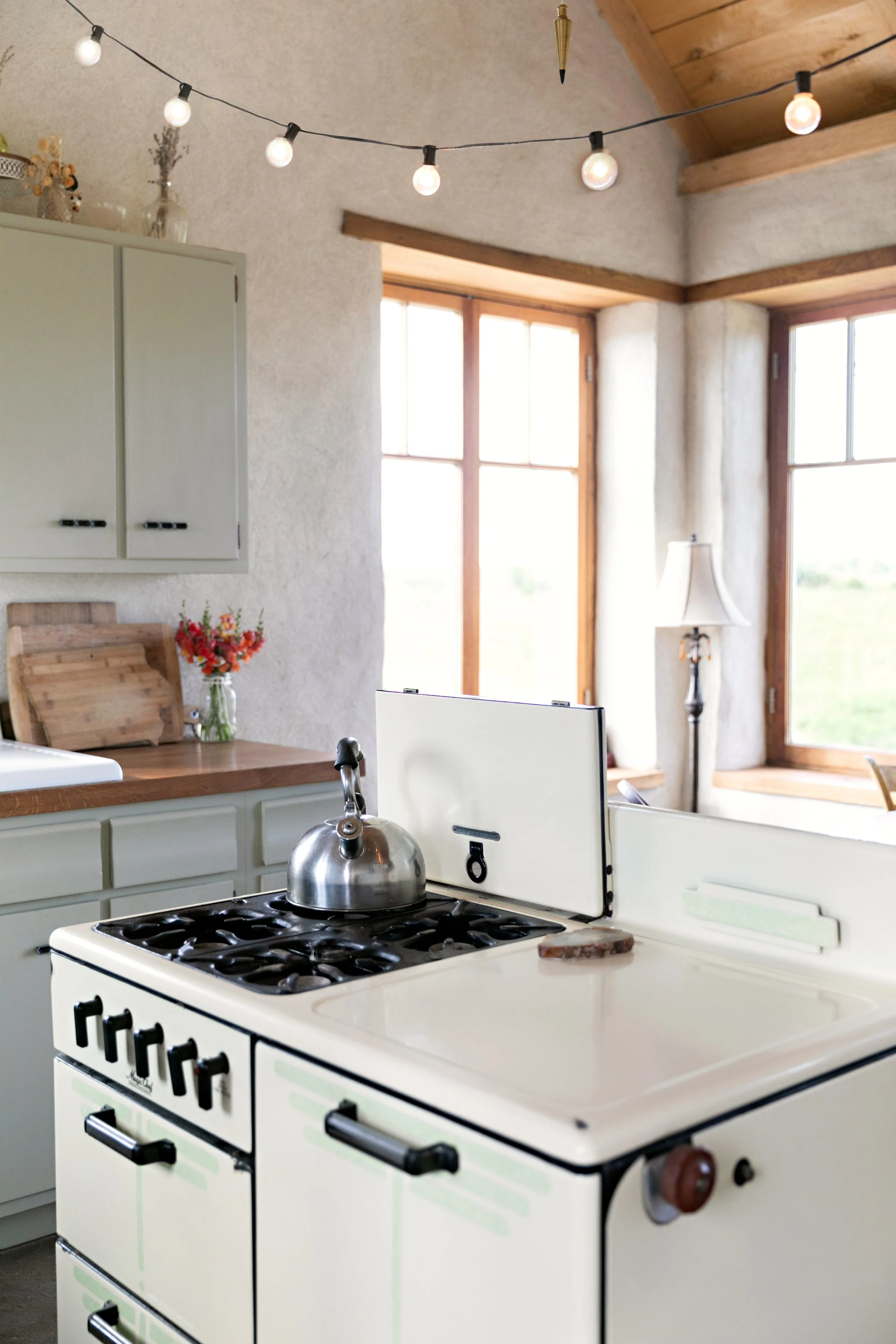
The Benefits of Locally Sourced Missouri Straw
Local sourcing means we know where our straw comes from. Missouri grows a significant amount of grain, and the straw left after harvest is an abundant, renewable byproduct that would otherwise be discarded. Less transportation means less energy used to get the material to your build site, costs savings, and we are supporting local farmers in our community.
If you're building a new home or a structure on your property, the materials you choose now will be part of your daily environment for decades. To find more information about our panels and what we do, take a look at our website!
Additional Resources on Indoor Air Quality and Natural Building Materials
If you want to dig deeper into the research around indoor air quality and natural building materials, these are some reliable starting points:
EPA — Formaldehyde & Indoor Air Quality: epa.gov/indoor-air-quality-iaq/what-should-i-know-about-formaldehyde-and-indoor-air-quality
American Lung Association — Formaldehyde: lung.org/clean-air/indoor-air/indoor-air-pollutants/formaldehyde
Healthy Materials Lab — Building with Plants (Straw Research): healthymaterialslab.org/blog/building-with-plants-research-on-straw-materials-and-construction
Natural Building Alliance — Straw Bale Overview: natural-building-alliance.org/straw-bale
