
Prefabricated straw panels and Accessory Dwelling Units: A match made in heaven!
Written by Adrienne Stolwyk
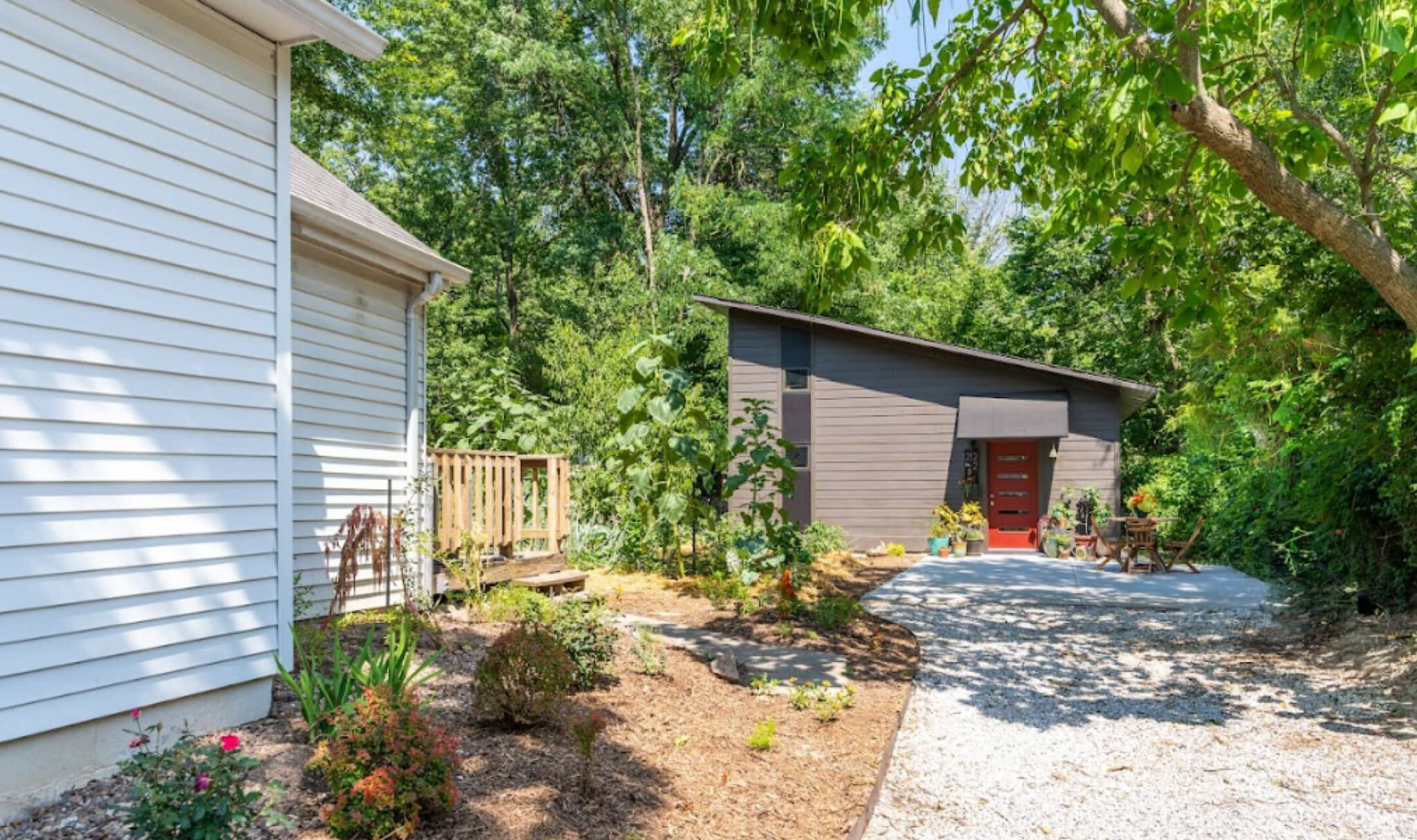
Accessory Dwelling Unit (ADU) policy is rapidly evolving across the country. Cities, and now states, are crafting ordinances and laws that make building secondary dwellings on a property easier.
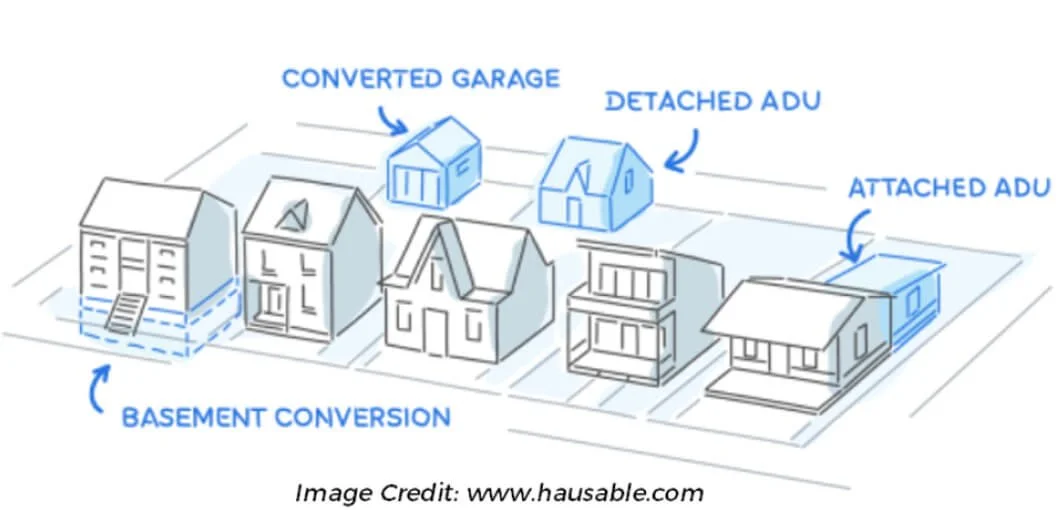
ADUs go by many names: Granny Flats, Mother-in-law Units, Backyard Cottages, Guesthouse, Casita, etc. Regardless of what you call them, these structures add another, smaller, dwelling to a property that already has a primary residence. The ADU could be attached to the main house (or built within it - like a basement or attic apartment) or it could be detached.
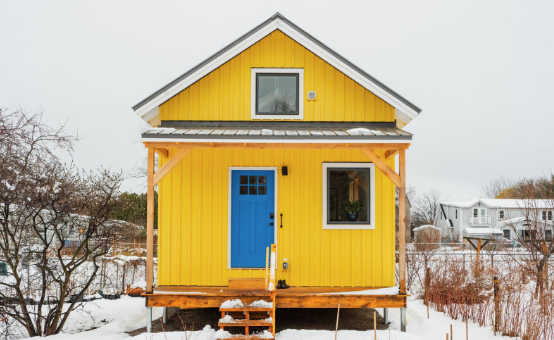
ADUs are necessarily small-ish; their total square footage is usually capped at around 800-1000 SF or so.
However, they are different than tiny houses. Tiny houses are frequently built on a trailer chassis and intended to preserve the possibility of being easily relocated. ADUs are built on permanent foundations. Lastly, ADUs are built on the same parcel as the primary house - they cannot be sold separately from the main home in most places.
Because of the affordable housing crisis, communities are looking to encourage ADU construction. ADUs are a great sustainable development strategy because they add housing and density in a gentle way. No new city roads or infrastructure needs to be built to accommodate these dwellings.
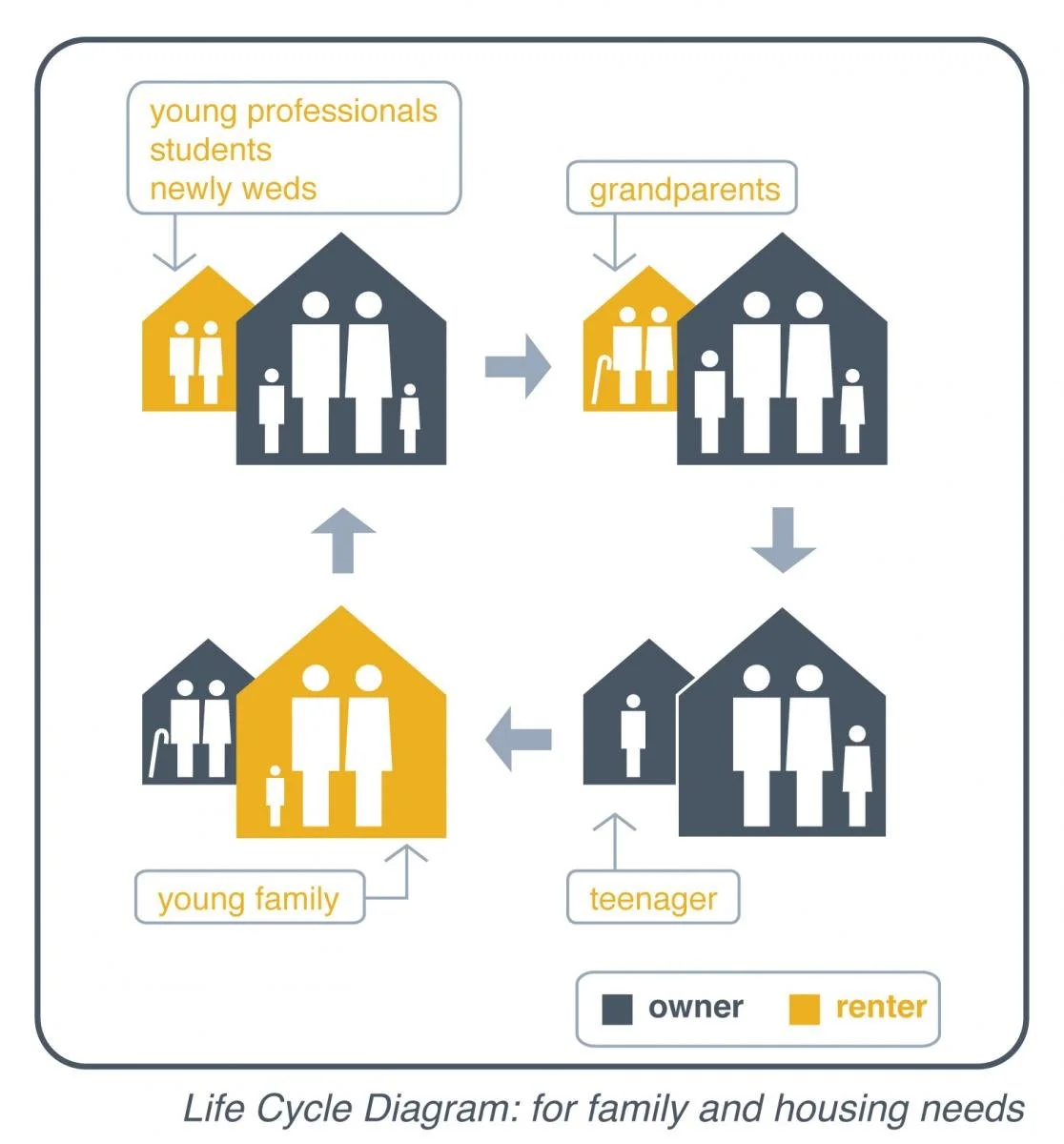
And, they create very flexible housing. An ADU could house a young family, a college student, or a retiree looking to downsize. It could be an office for someone working from home or starting a business, a guesthouse for a grandparent who wants to visit more often, or it could be an income-generating rental for a homeowner.
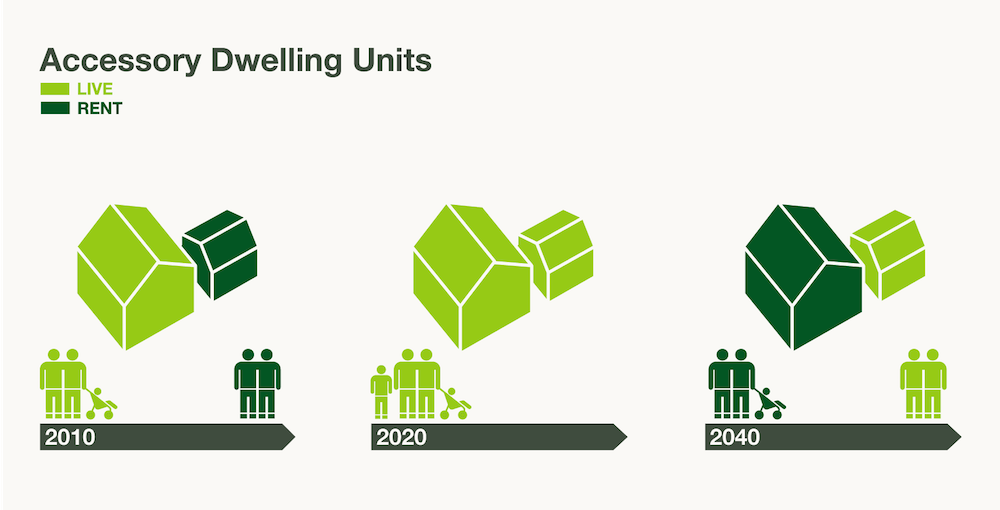
As ADUs grow in popularity, another benefit is coming to light: the ability to try a new* material! ADUs present an opportunity to try building with a material (like straw!) that otherwise might be out of reach for someone building a new primary residence.
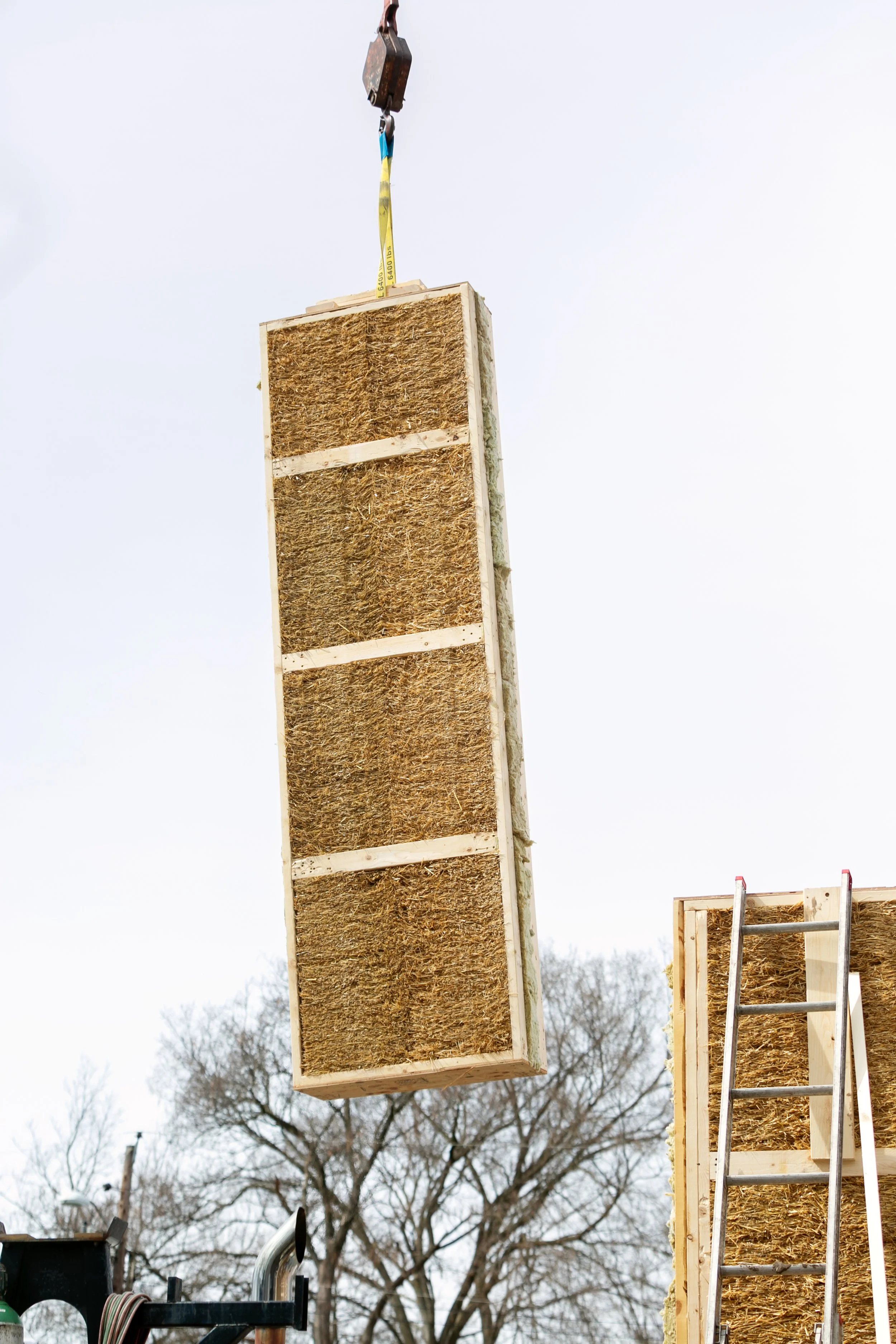
Straw panels are a great solution for ADU construction for a few reasons. First, prefabricated panels can be installed on-site so quickly! Reducing construction time saves labor costs and reduces disruption to a household (and your neighbors). Part of what makes panel installation go so fast is the ability to use a boom truck, crane, or telehandler to access the hard-to-drive-access corners of a backyard where an ADU could live. Pairing panels with a helical pier foundation in lieu of concrete, as New Frameworks does with their Casita kits, means the question of "could we get a concrete truck in our backyard?" is no longer a concern.
Second, it's so ecologically friendly! It's hard to compete with locally-grown, non-toxic, carbon-sequestering, rapidly renewable, compostable straw as a building material. Bio-based materials are growing in popularity as more people become aware of the health, and climate, risks of toxic building materials.
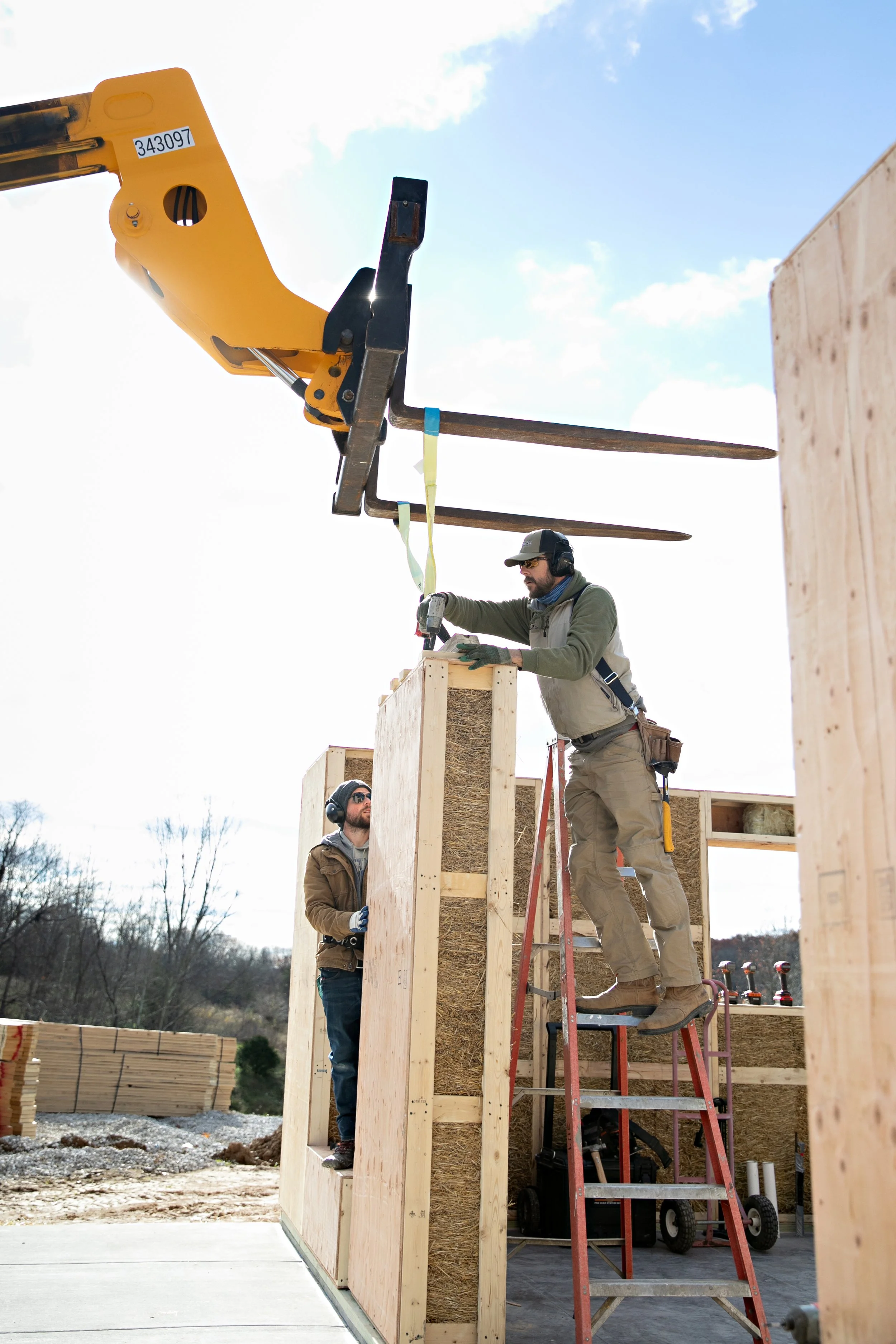
Lastly, panelized straw bale construction is both contractor and DIY friendly. Straw bale construction has been a niche building method that was hard for conventional builders to adopt. Straw panels, however, can be clad with conventional siding methods (be sure to include a ventilated rainscreen) and gypsum board over an interior furring wall (which creates a chase for plumbing and electrical lines). But, for folks out there who have dreamt of building their own strawbale home but were daunted by the bureaucratic coordination and physical work entailed, straw panels may be the perfect middle ground.
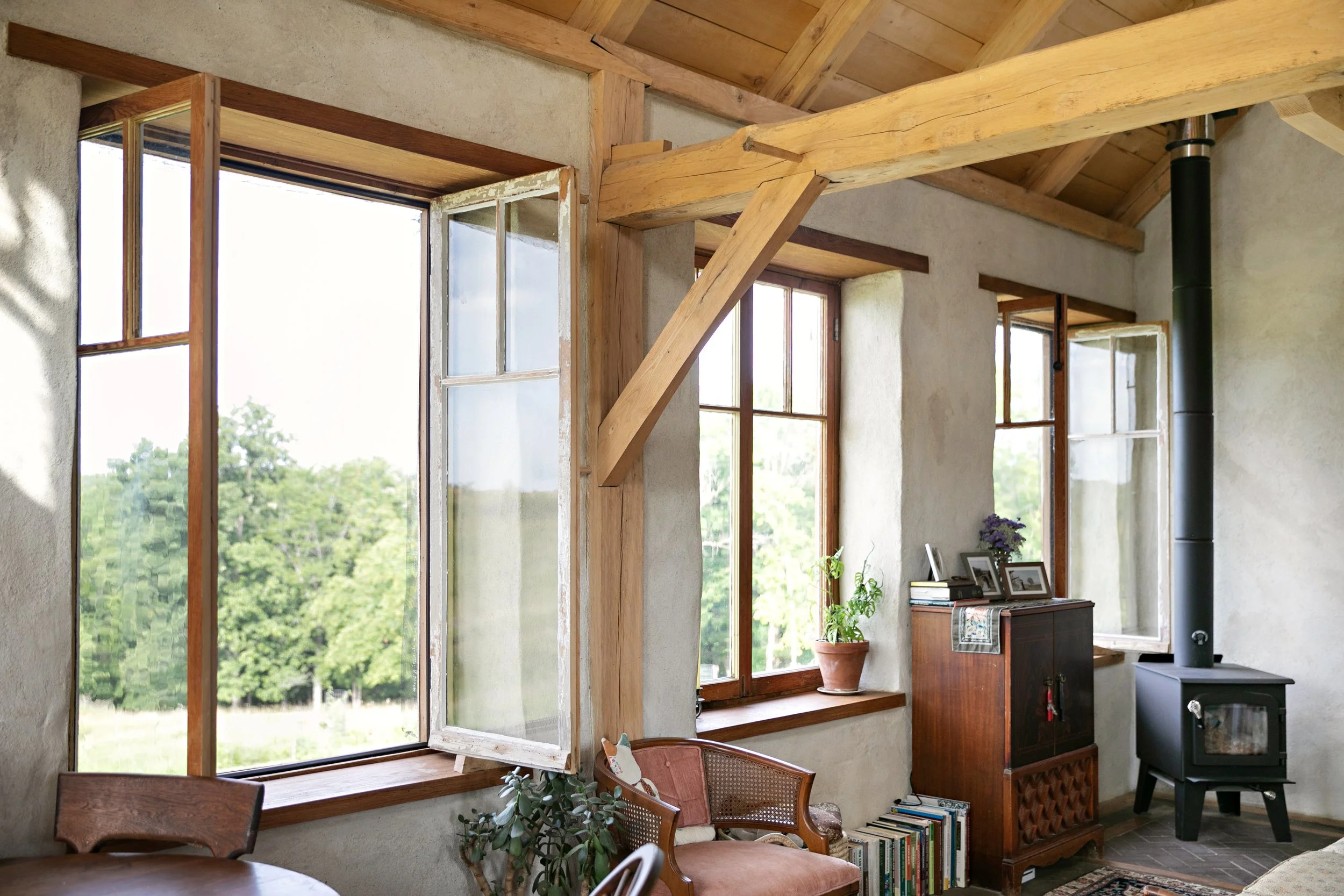
After panels go up, a prefabricated roof (built with panels or trusses) can go on quickly to protect the straw from downpours - avoiding the Achilles heel of load-bearing strawbale construction. A straw panel ADU can go up quickly and then an enterprising do-it-yourselfer can start plastering! Straw panels can have a base coat of plaster installed on one side in the shop, if desired. Subsequent plaster coats can be installed in the field. When combined with plaster-friendly products like 475's Pro Clima Contega Solido SL airtight tape, the plaster can be part of a beautiful, natural, and airtight building enclosure.
Building Integrity supports ADU ordinances that make ADUs easier to build - be that in our fair City of Columbia, Boone County, or the state level. ADUs are helping us reinvent the American Dream. A single family home with a picket fence is a beautiful thing, but it doesn't work for everyone's pocketbook or for limiting sprawl and resource consumption. Straw ADUs in more backyards may bring us closer to achieving the Global Dream of affordable and sustainable housing, and a stabilizing climate for all!
*Building with straw may sound new to some, but really, methods of building with straw bales has been around for over 100 years! The technique was invented in the Sandhills of Nebraska shortly after the straw baling machine was invented.
