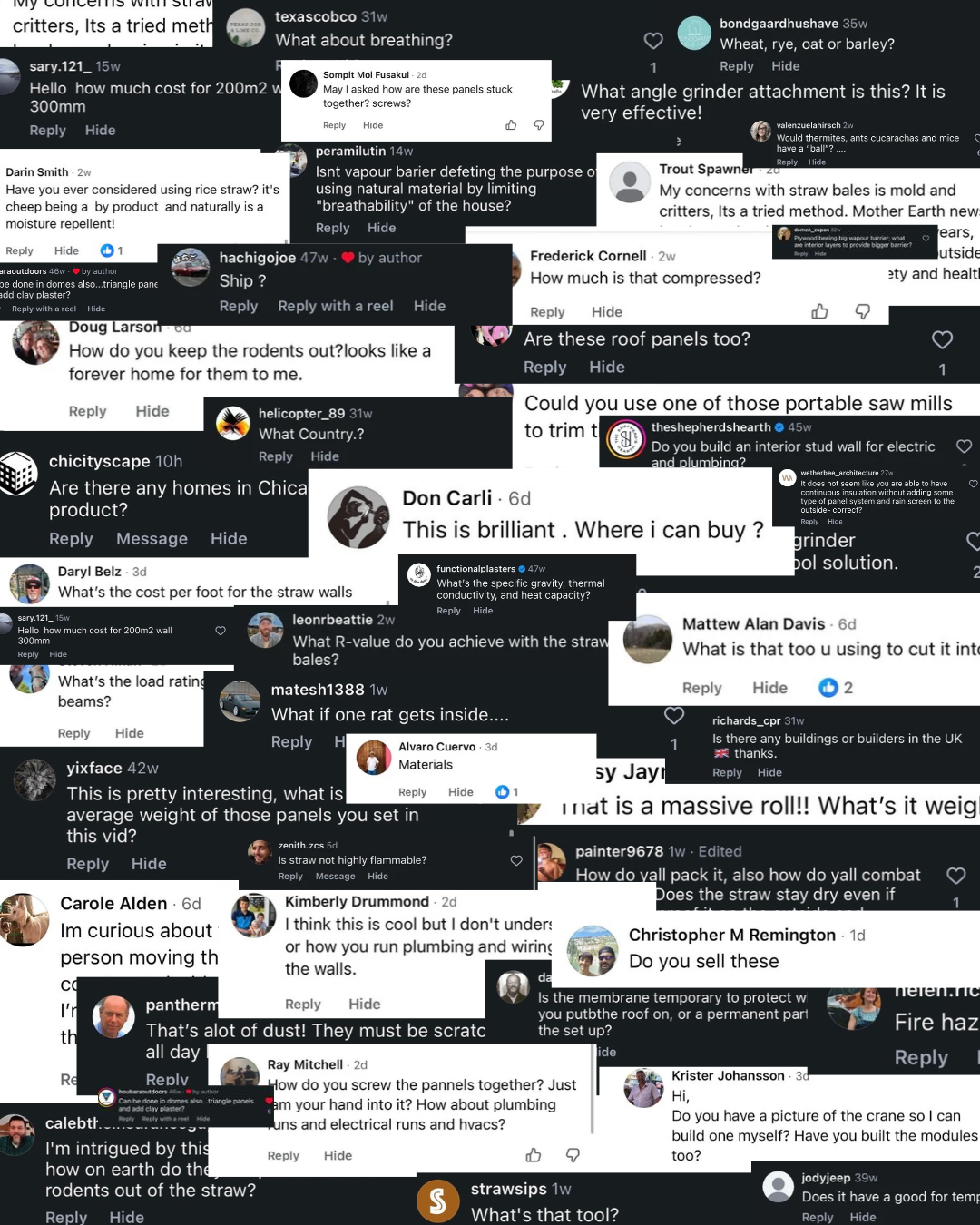
Extended FAQ, answering all your comments!
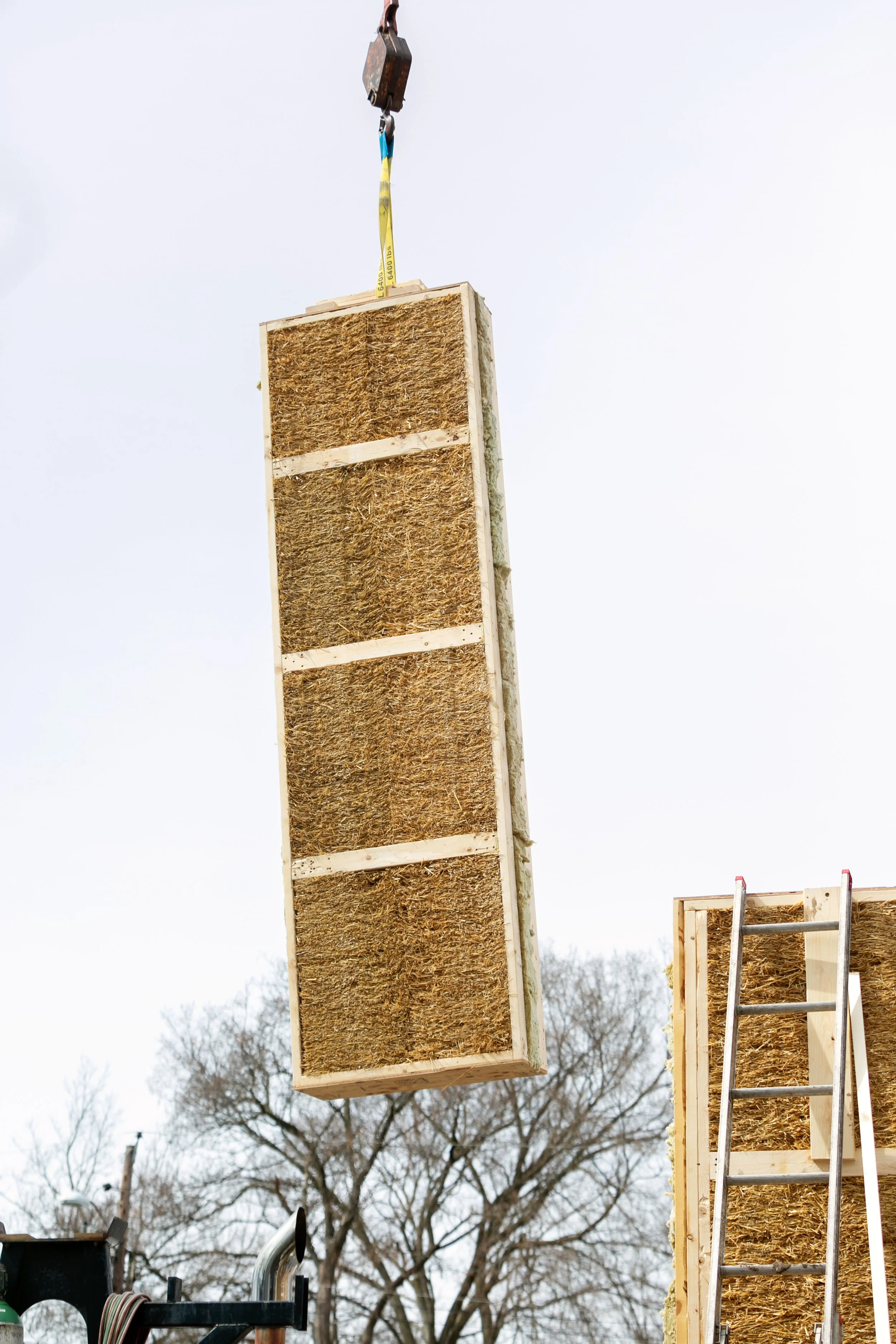
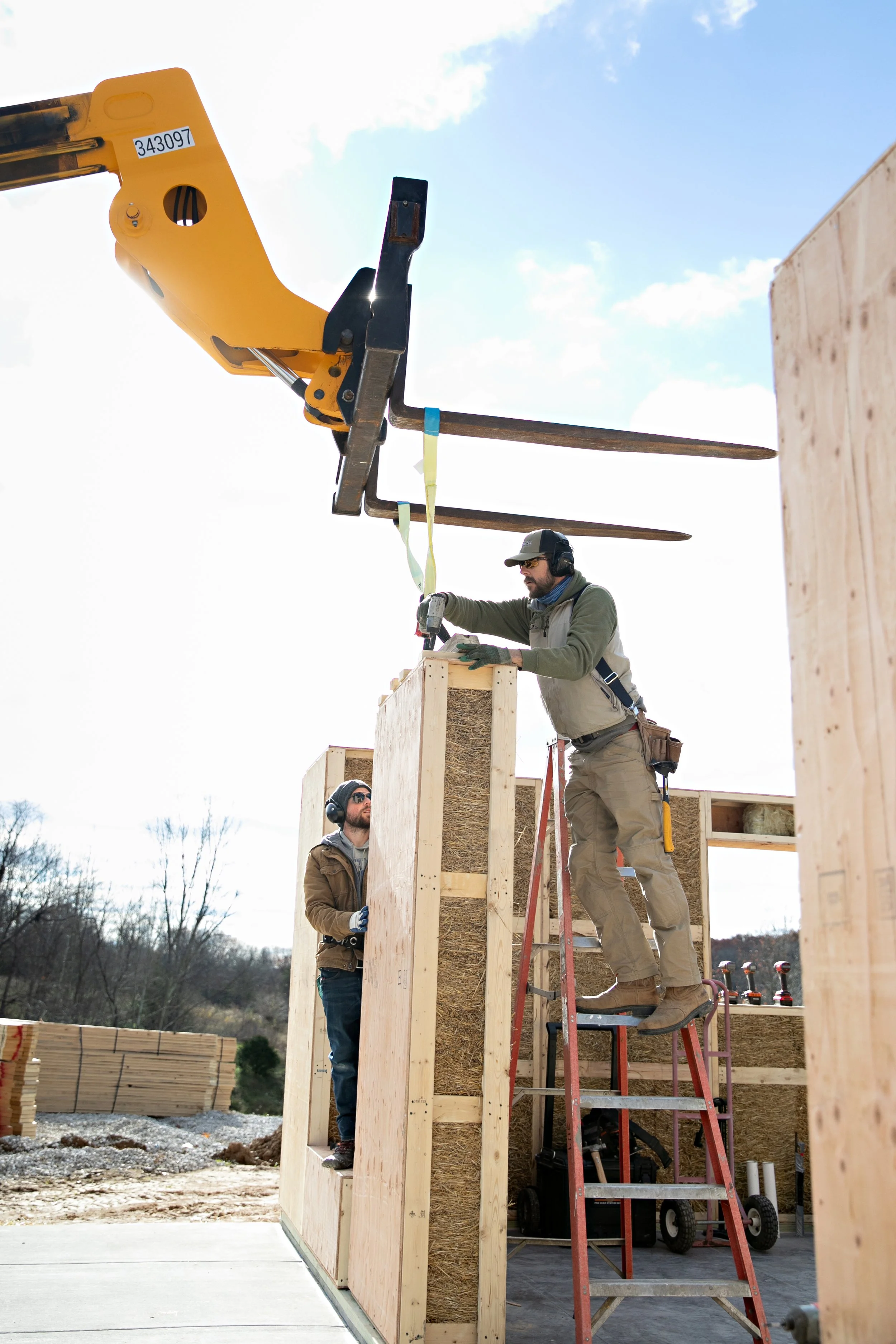
We wrote this Extended FAQ page to address the internet’s questions regarding our prefabricated straw insulated panel system!
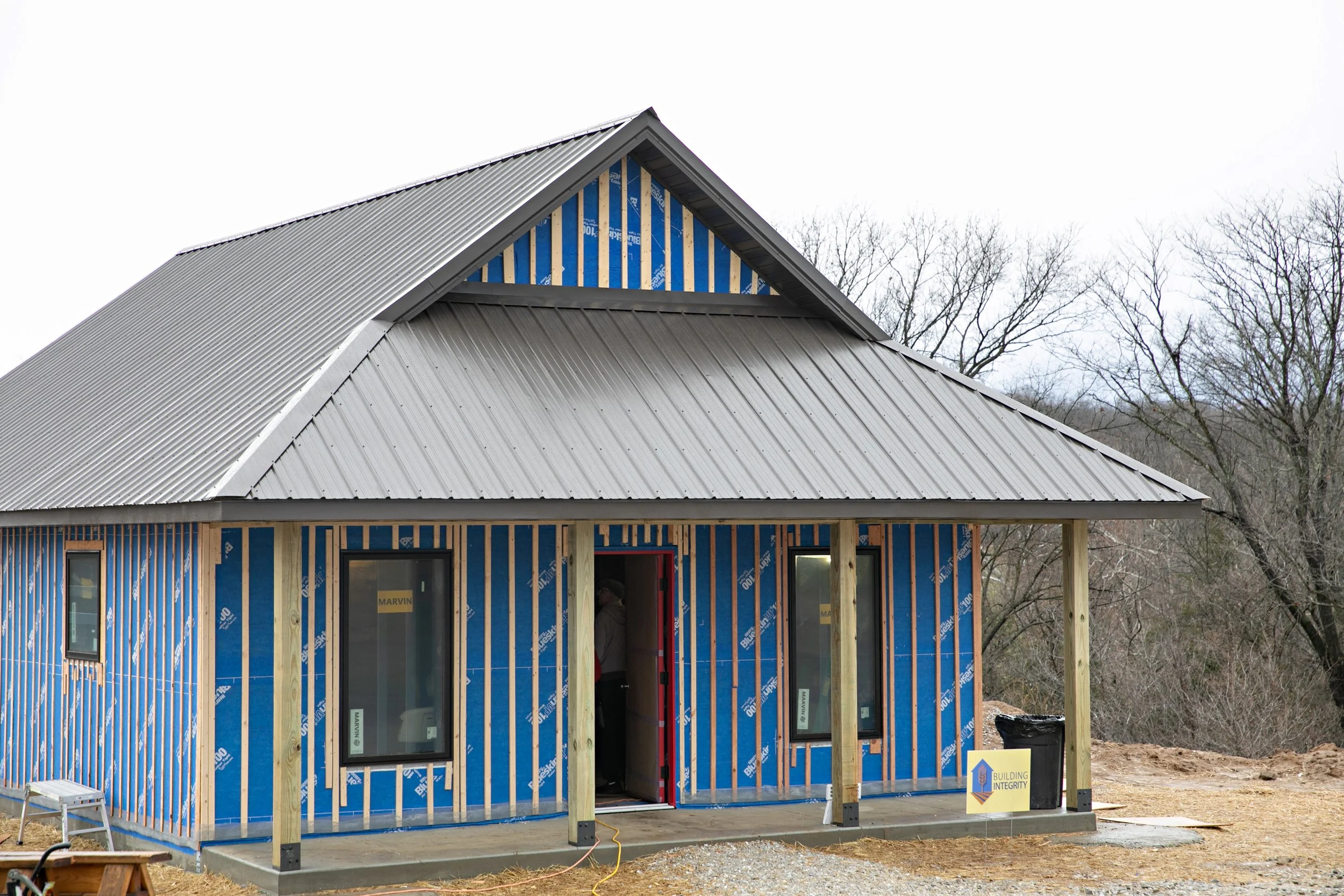
The Gap That Saves Your Wall
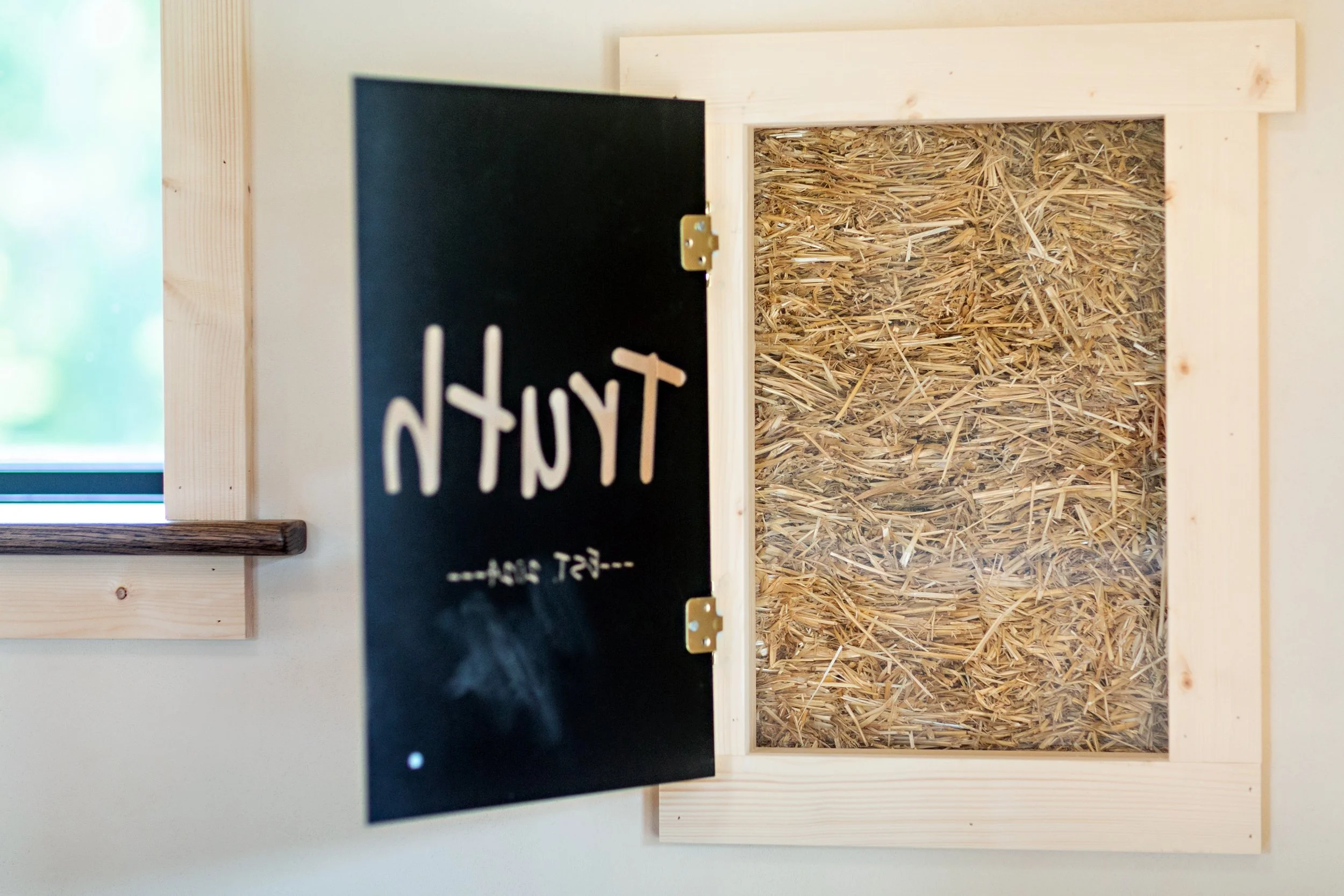
Every wall needs a way to shed water and let moisture escape, and a rainscreen is one of the simplest, most effective ways to do it. This post looks at how that small ventilated gap behind your siding protects your home's structure and finish for the long haul, backed by real building science research.
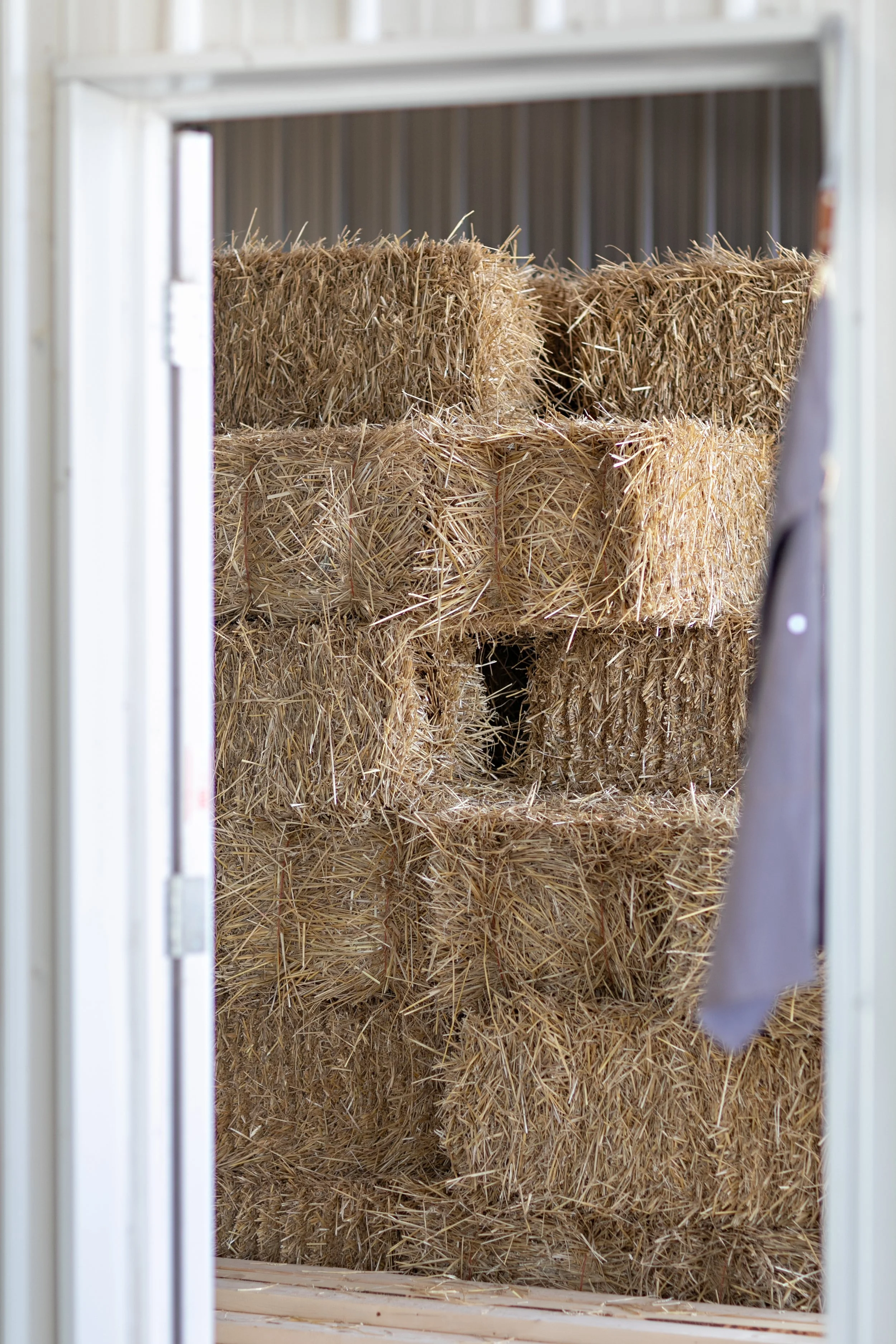
The Carbon You Don't See: Embodied Emissions in Construction
Most conversations about a building's carbon footprint stop at energy use, but the materials themselves carry a hidden cost. This post breaks down embodied carbon, the emissions locked in before a building is ever occupied, and looks at the peer-reviewed research showing how straw and other natural materials can turn construction from a carbon source into a carbon sink.
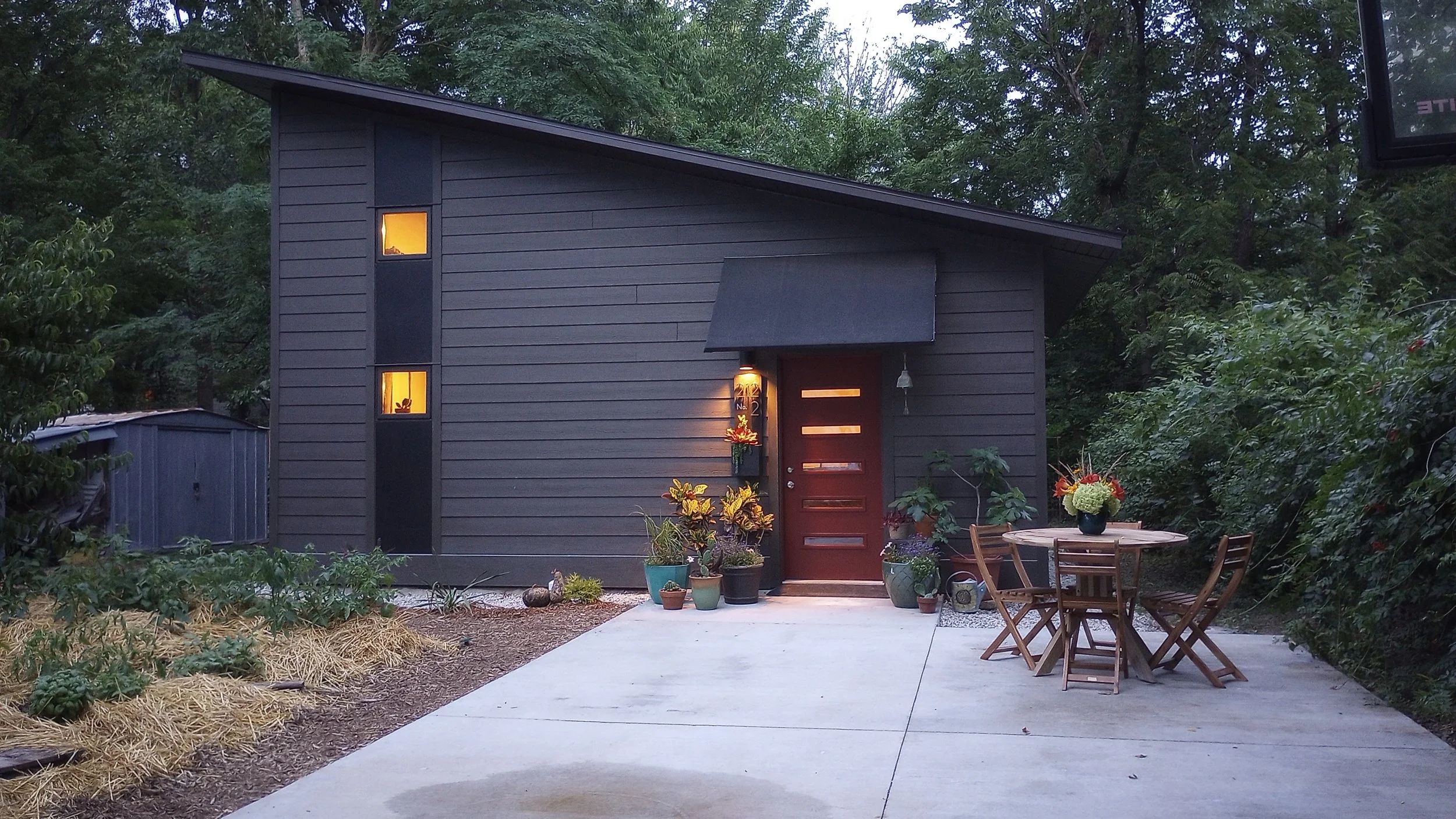
Building with Straw in a Coastal Climate
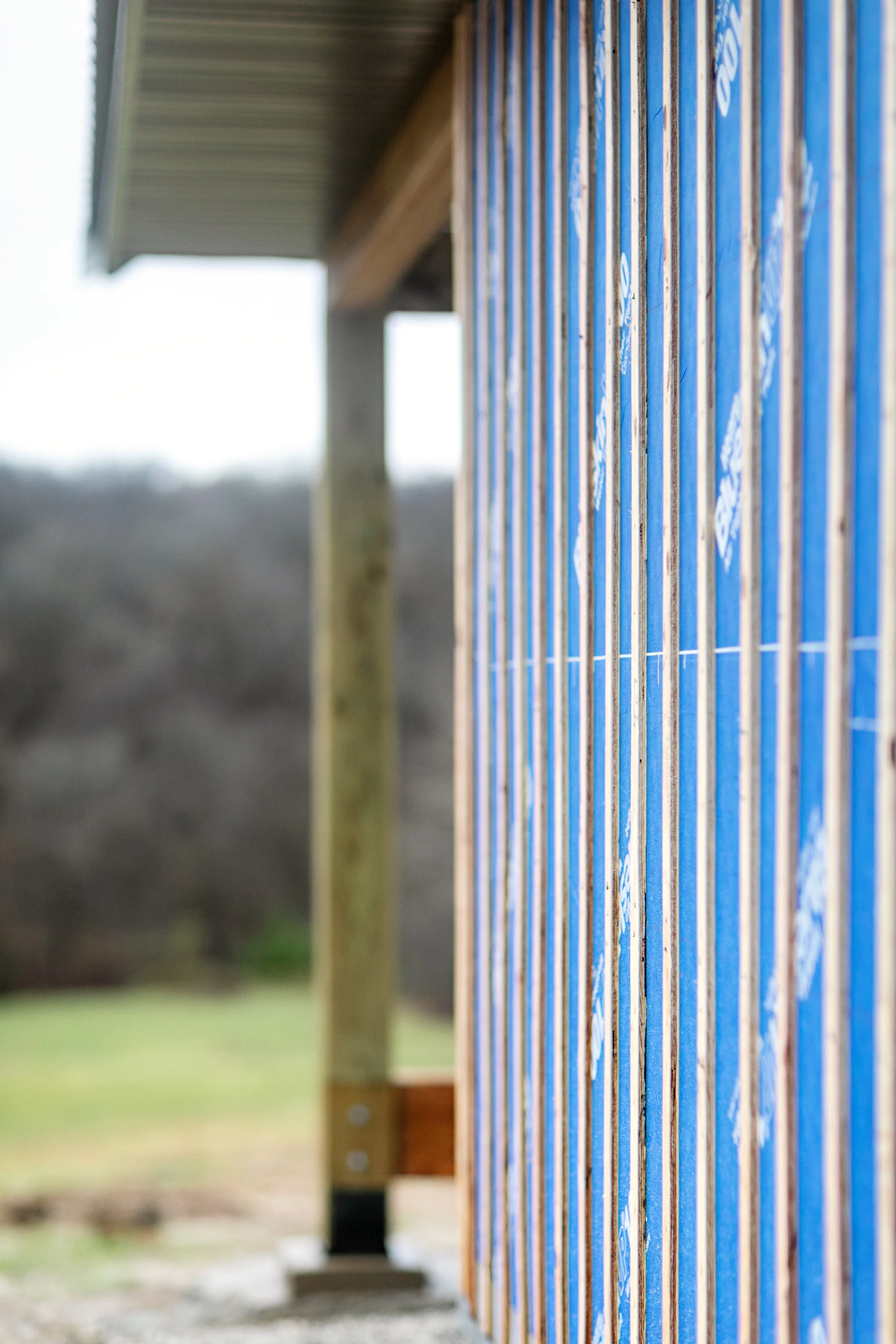
Building naturally in hot, humid coastal climates is entirely possible, but it demands careful attention to moisture detailing. This post breaks down why raised crawl spaces are often a liability, how a properly layered straw panel wall is built to dry rather than trap moisture, and what coastal wind and salt exposure mean for materials and fasteners.
The Number That Tells You If Your Wall Can "Breathe"
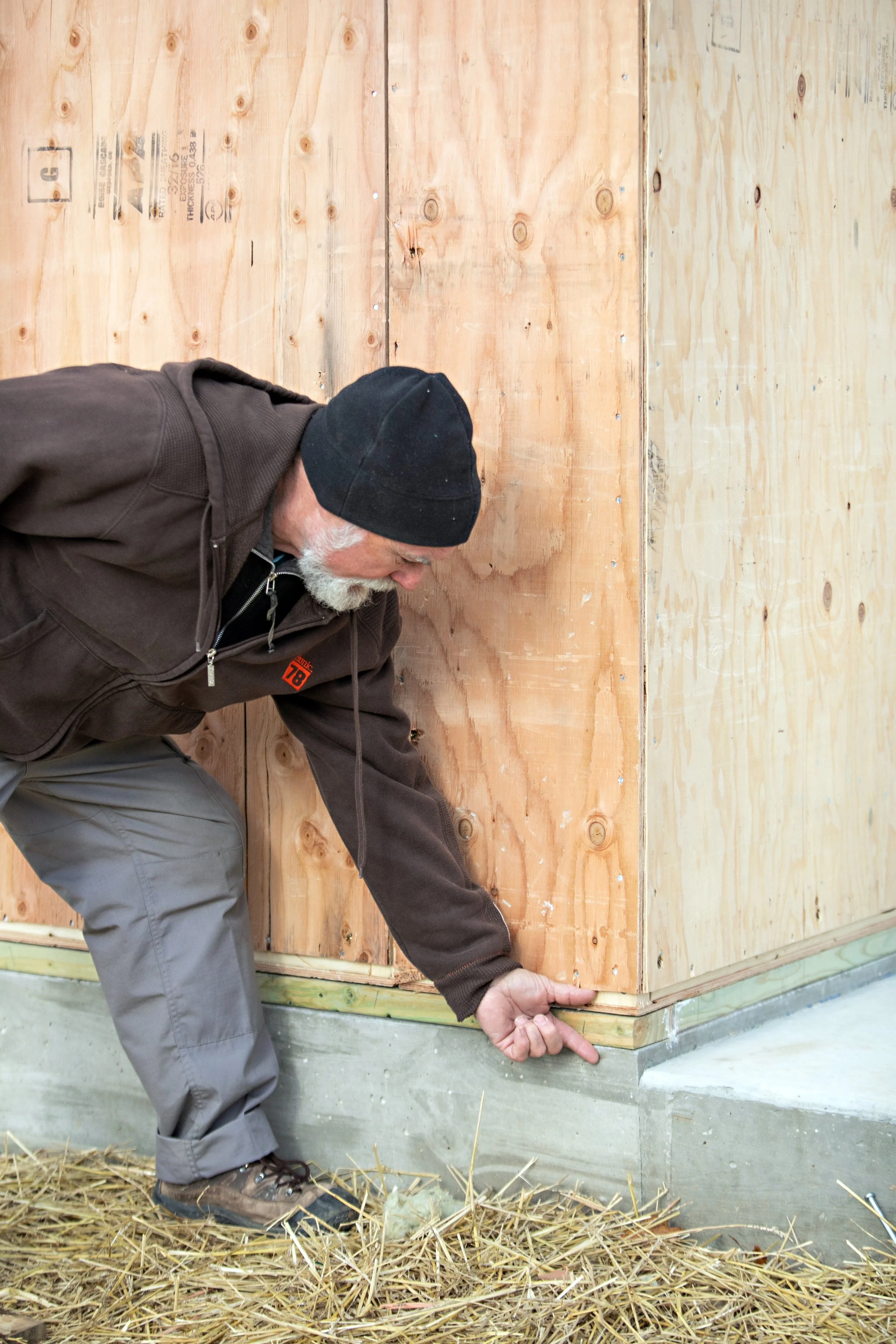
Perm rating measures how easily water vapor moves through a building material, and it's the number that determines whether a wall assembly can dry out or traps moisture over time. Materials fall into four permeance classes, and because Columbia sits in a mixed-humid climate zone, high-performance natural building favors vapor-open assemblies that let walls dry naturally rather than sealing moisture in.

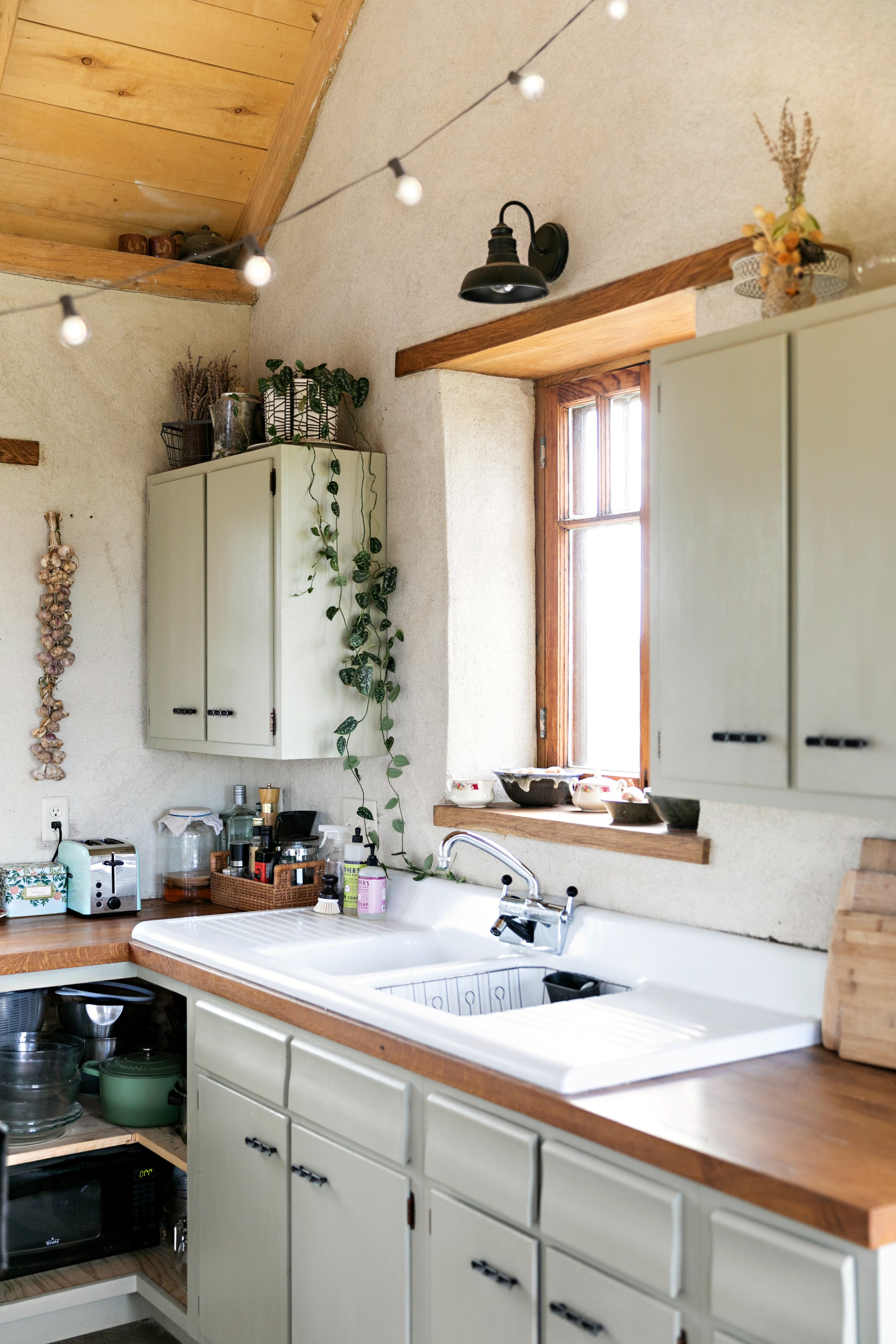
What it Actually Feels like Inside a Straw Insulated Building.
What is it really like to work in a straw-insulated building? Discover how our straw-insulated office performs throughout the seasons, including indoor comfort, energy efficiency, air quality, noise reduction, and the benefits of natural construction.