
What it Actually Feels like Inside a Straw Insulated Building.
Written by Abby Hillman
At Monarch Architecture and Building Integrity, our office is located within a straw-insulated building. While many people are curious about what it's actually like to spend time in a building insulated with straw, the experience is often different from what they expect. After working here through multiple seasons, I've noticed several benefits, from comfortable indoor temperatures to impressive sound insulation.
Highlights of Working in a Straw-Insulated Building
Naturally comfortable temperatures throughout the year
Reduced need for heating and cooling
Excellent sound insulation during storms and nearby construction
Thick walls that create unique architectural features
Comfortable and inviting spaces for everyday work
My First Impression of a Straw-Insulated Office
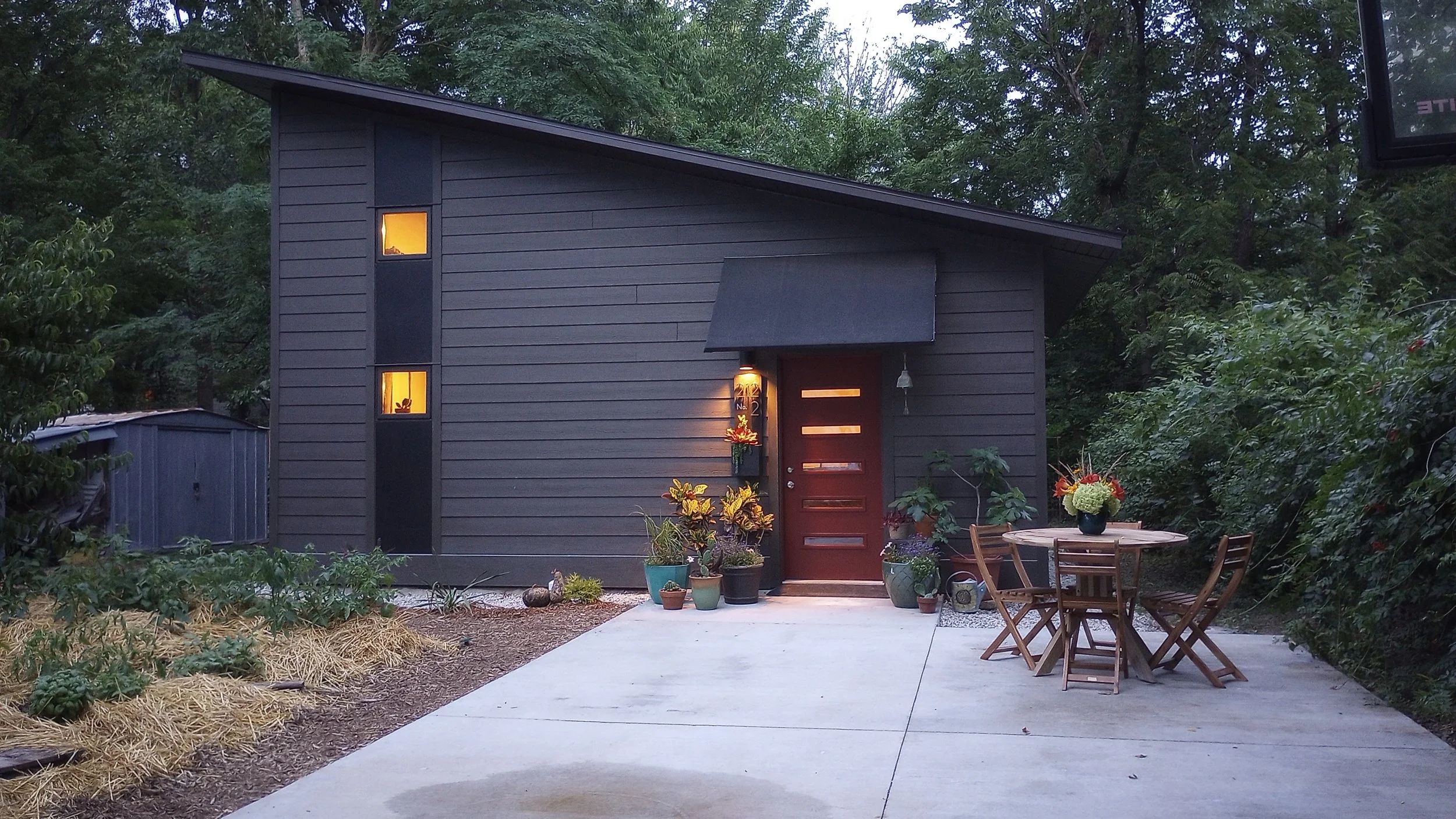
Our office at Monarch Architecture and Building Integrity is located within a straw-insulated building. We wanted to share what it actually feels like to work in a space like this every day and some of our thoughts about the experience.
I'll be sharing the perspectives of my coworkers later, but let's start with my own.
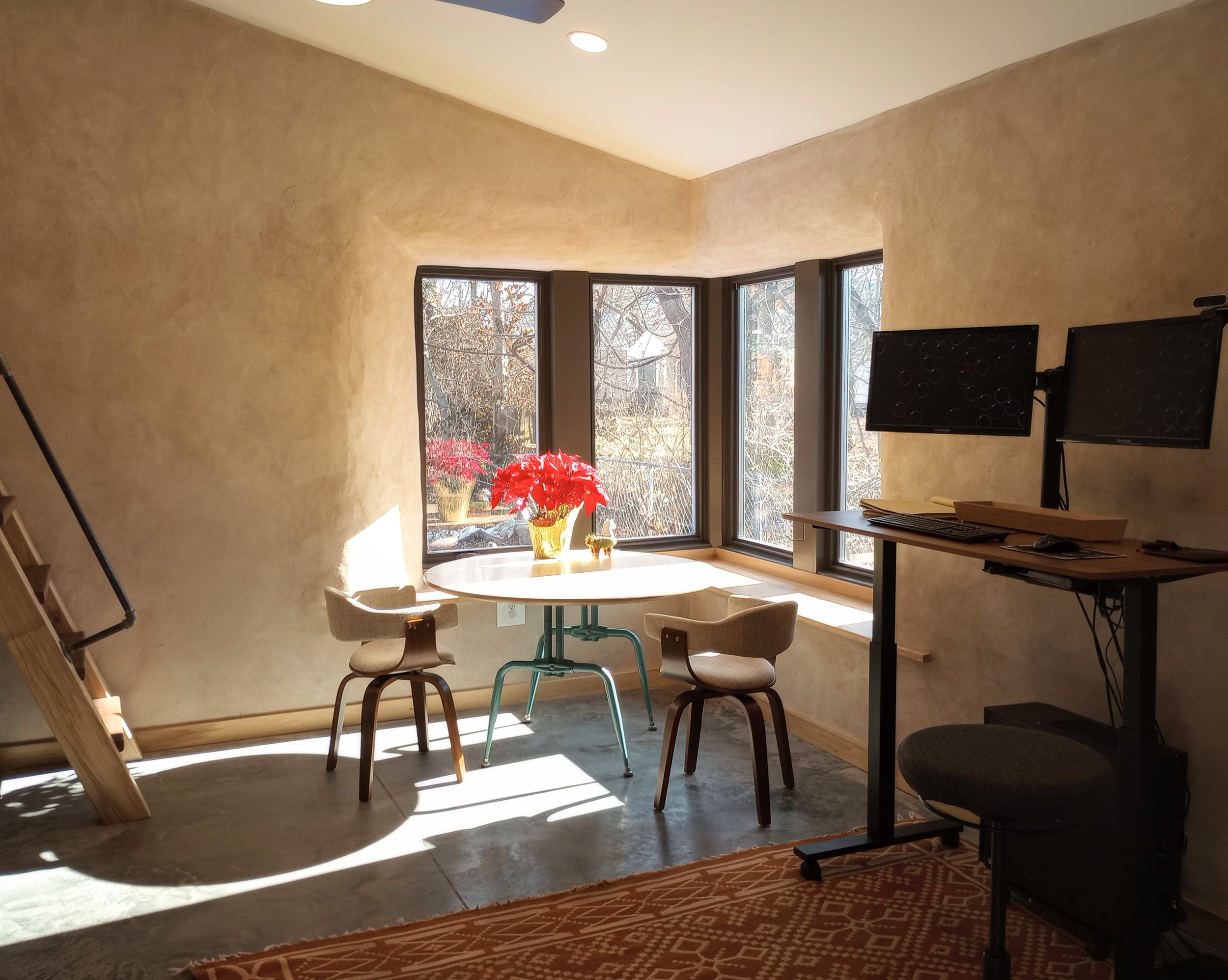
My first thoughts about the office being built with straw insulation were... nothing! At first, I had no idea. From the outside, the office looks much like any other building. When you walk in, you can tell the walls are thick and finished with plaster, but I never would have guessed they were filled with straw.

How Straw Insulation Affects Indoor Comfort
After working here for more than six months, through both summer and winter, I can say that it does feel different from a typical building. During the summer, the office stayed pleasantly cool with the help of a single mini-split air-to-air heat pump. The walls next to my desk were cool to the touch, even on hot days. In the winter, the mini-split runs at low speed and keeps the well-insulated space very comfortable. During the rare, but possible, winter power outage, pipes freezing is simply not a concern in this building. Plumbing is located toward the middle of the building, well-protected from even days of subzero temperatures on the exterior.
The Sound Insulation Benefits of Straw Walls
During the spring storms, we've enjoyed watching the rain from inside, but it's surprisingly difficult to hear the wind and thunder outside. This winter, there was also a construction project taking place nearby. Thankfully, the noise was minimal, and we were able to work without the usual disruptions that come with construction.

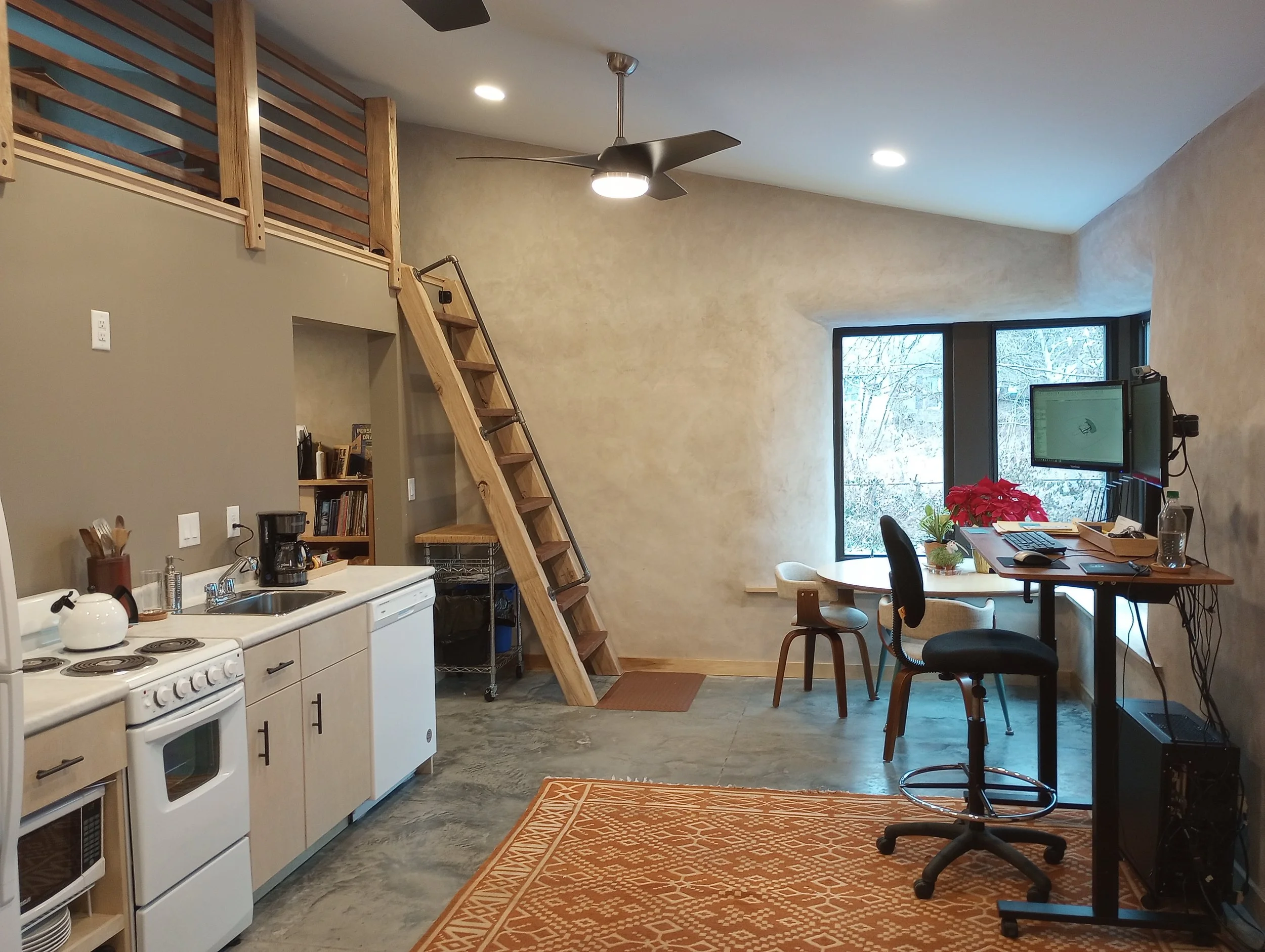
The design of the office contributes to the experience as well. The thick walls create space for features like a built-in window seat, and the office includes a lovely kitchenette. I especially appreciate how natural, airy, and comfortable the space feels.
What Our Team Thinks About Working in a Straw-Insulated Building
Since it's a place where I spend a significant amount of time, I would choose a natural and functional environment like this any day.
When I asked one of my coworkers, Cameron, about his initial and current thoughts on working in a straw-insulated office, here's what he had to say:
“My first impression of the straw-insulated office was extremely refreshing. From the outside, I had no way of knowing it was made from straw since it was clad in fiber cement siding—it looked like a normal building. But as soon as I walked in, it was readily apparent. The first thing I noticed was the sunlight. Each window had deep sills with curved edges that allowed the light to spread more widely and softly than a typical box-shaped window.
One of my favorite features is the larger corner windows with lower sills. Because of the thick straw walls, built-in wooden seating could be installed at the windows, allowing me to sit directly in the sunlight and feel more connected and relaxed.
From an energy standpoint, it's been refreshing to notice how consistently stable the humidity and temperature remain as long as the doors and windows are closed. Even during the brutal summer heat, the office has stayed comfortable with just a single minisplit, and many days I don't even feel the need to adjust the A.C. or ceiling fans.
Beyond the visual and thermal comfort, I've found that I particularly like touching the walls. As strange as that sounds, the clay plaster has a subtle texture and doesn't produce the sticky feeling that drywall and standard paints often do.
Another big point for me is the air quality. I'm particularly sensitive to VOCs, mold, dust, and smells in general. Working in this office for the past year has never triggered those sensitivities, which I can't say is true for most buildings I've been in. I believe the minisplit, ERV system, and lack of VOCs in the finishes all contribute to the fresh, vibrant feeling of the air.
Overall, I've had a great experience working in a straw-insulated building and wish my personal home could be the same.”
